temporomandibular joint (TMJ) issues (Jenna)
|
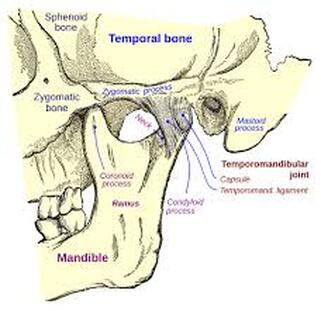
The temporomandibular joint (TMJ) refers to the articulation of the jaw bone (the mandible) with one of the cranial bones (the temporal bone). This joint is a sliding hinge joint that is stabilized by surrounding structures including an articular disk and cartilage.
There are a handful of reasons for TMJ pain or discomfort, but in most cases this pain/discomfort is temporary and can be managed with non-surgical treatments, and self-managed care. TMJ issues or disorders may occur in some cases when:
However, in some cases, the cause of TMJ is not clear. |
|
symptoms
|
causes

|
treatment
|
how does physiotherapy help?
- Physiotherapists can develop a personalized exercise program with a focus on strengthen surrounding muscles and improving flexibility and range of motion.
- A modified exercise program is also helpful in reducing the risk of further injury or damage
- Heat therapy can be helpful in improving blood circulation in the jaw while ice therapy may be used to reduce swelling and relieve pain.
- Manual therapy helps relieve tension in overused muscles to reduce any excess strain placed on the TMJ
- Intramuscular stimulation (IMS) induces local inflammation to improve blood flow, aid in healing, and reduce pain
- Promotes relaxation of the injured and surrounding muscles, reducing any pain due to spinal nerve impingement or joint compression