Acupuncture
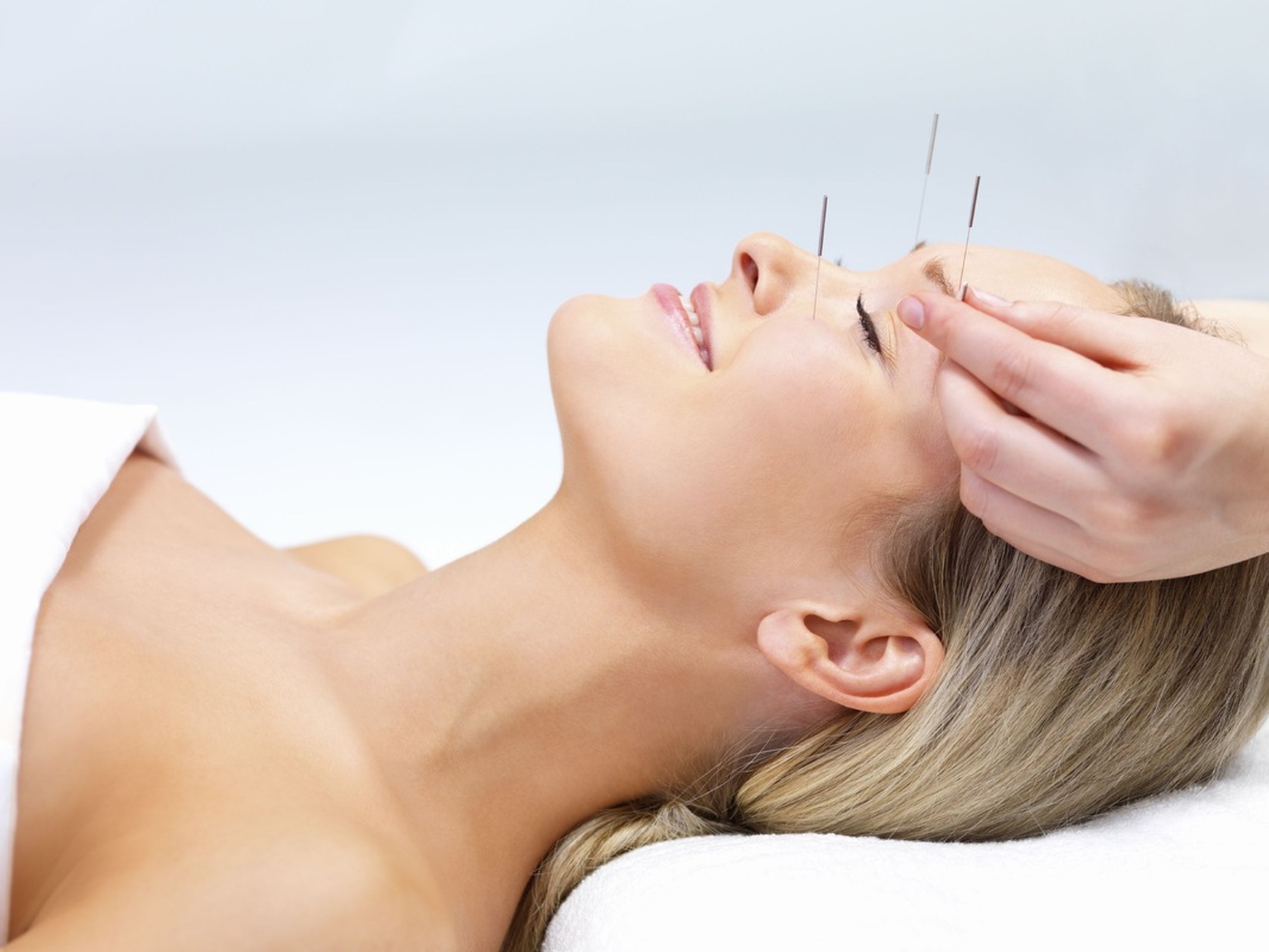
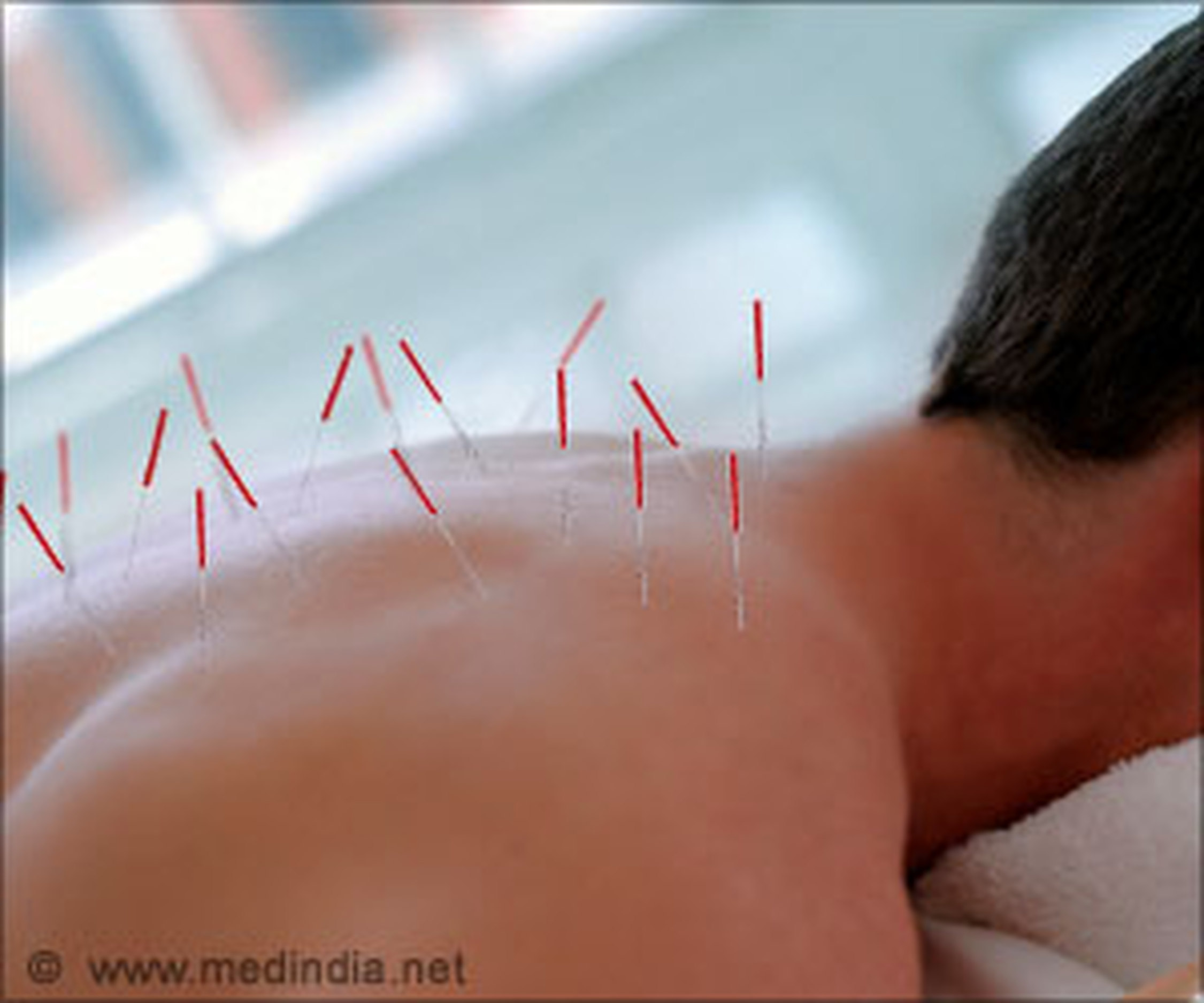
Acupuncture is a therapeutic technique to help relieve pain and inflammation in order to improve the ability to move. As Acupuncture stimulates the body’s natural healing process it can also improve sleep, mood and energy levels.
Acupuncture originated in China over 3000 years ago and involves the insertion of fine sterile needles into specific points on the body. There are close to 1000 acupuncture points on the human body. In Traditional Acupuncture, these points are believed to be connected by 12 paired and 8 secondary pathways called Meridians. The meridians conduct energy or qi (pronounced “Chee”) and each point has a different effect on the qi that passes through it.
Traditionally, Acupuncture is used to bring balance to the energy flow of the body. As Acupuncture was introduced into Western culture, further investigation was conducted to determine why Acupuncture is effective at pain relief. To date, a vast body of literature exists to support how the needle insertion reduces pain. As the needle is inserted into a specific point on the body it stimulates the associated sensory nerve that communicates with the nervous system to release Endorphins, our body’s natural analgesics (pain killers). This is accompanied by the release of Adrenocorticotropic Hormone (ACTH) that helps to control inflammation in the body.
Dry Needling in Physiotherapy
Dry needling is an evidence-informed treatment technique used by physiotherapists to manage musculoskeletal pain and movement dysfunction. It involves the insertion of fine, sterile needles into specific muscles and soft tissues, particularly areas known as myofascial trigger points. Dry needling is based on Western anatomical and neurophysiological principles and is distinct from traditional Chinese acupuncture.
Research suggests that dry needling may help reduce pain, decrease muscle tension, and improve movement by influencing both local tissue and the nervous system. The technique is thought to work through mechanisms such as modulation of pain pathways, changes in muscle activation, and improved local blood flow. Dry needling is commonly used for conditions including neck and back pain, muscle strains, tendinopathies, and persistent muscle tightness related to overuse or injury.
In physiotherapy practice, dry needling is most effective when used as part of a comprehensive rehabilitation program. While it may provide short-term pain relief and improved mobility, long-term outcomes depend on addressing underlying strength, movement, and load tolerance through therapeutic exercise and education. By reducing pain and muscle sensitivity, dry needling can help patients move more comfortably and participate more effectively in active rehabilitation.
Treatment is tailored to the individual’s symptoms, presentation, and comfort level. Dry needling performed by a trained physiotherapist is safe and well tolerated, with possible short-term effects including mild soreness, fatigue, or local muscle twitch responses. When applied appropriately, dry needling can be a valuable adjunct to evidence-based physiotherapy care, supporting improved function, movement confidence, and return to daily activities or sport.
Acupuncture originated in China over 3000 years ago and involves the insertion of fine sterile needles into specific points on the body. There are close to 1000 acupuncture points on the human body. In Traditional Acupuncture, these points are believed to be connected by 12 paired and 8 secondary pathways called Meridians. The meridians conduct energy or qi (pronounced “Chee”) and each point has a different effect on the qi that passes through it.
Traditionally, Acupuncture is used to bring balance to the energy flow of the body. As Acupuncture was introduced into Western culture, further investigation was conducted to determine why Acupuncture is effective at pain relief. To date, a vast body of literature exists to support how the needle insertion reduces pain. As the needle is inserted into a specific point on the body it stimulates the associated sensory nerve that communicates with the nervous system to release Endorphins, our body’s natural analgesics (pain killers). This is accompanied by the release of Adrenocorticotropic Hormone (ACTH) that helps to control inflammation in the body.
Dry Needling in Physiotherapy
Dry needling is an evidence-informed treatment technique used by physiotherapists to manage musculoskeletal pain and movement dysfunction. It involves the insertion of fine, sterile needles into specific muscles and soft tissues, particularly areas known as myofascial trigger points. Dry needling is based on Western anatomical and neurophysiological principles and is distinct from traditional Chinese acupuncture.
Research suggests that dry needling may help reduce pain, decrease muscle tension, and improve movement by influencing both local tissue and the nervous system. The technique is thought to work through mechanisms such as modulation of pain pathways, changes in muscle activation, and improved local blood flow. Dry needling is commonly used for conditions including neck and back pain, muscle strains, tendinopathies, and persistent muscle tightness related to overuse or injury.
In physiotherapy practice, dry needling is most effective when used as part of a comprehensive rehabilitation program. While it may provide short-term pain relief and improved mobility, long-term outcomes depend on addressing underlying strength, movement, and load tolerance through therapeutic exercise and education. By reducing pain and muscle sensitivity, dry needling can help patients move more comfortably and participate more effectively in active rehabilitation.
Treatment is tailored to the individual’s symptoms, presentation, and comfort level. Dry needling performed by a trained physiotherapist is safe and well tolerated, with possible short-term effects including mild soreness, fatigue, or local muscle twitch responses. When applied appropriately, dry needling can be a valuable adjunct to evidence-based physiotherapy care, supporting improved function, movement confidence, and return to daily activities or sport.