Interferential Current (IFC)
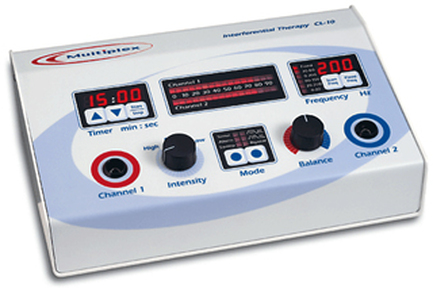
Interferential Current (IFC) is a form of electrotherapy commonly used in physiotherapy to help manage pain and promote tissue healing. It works by applying two medium-frequency electrical currents to the body, which intersect within the tissues to produce a low-frequency effect. This low-frequency stimulation is thought to be more comfortable and able to penetrate deeper into the tissues compared to some other electrical modalities, making IFC a popular choice in clinical practice.
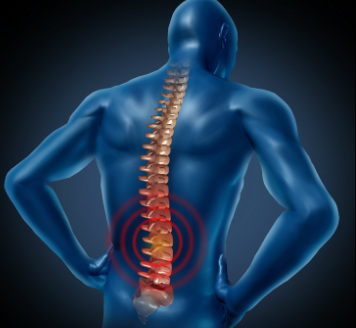
One of the main uses of IFC in physiotherapy is pain relief. The electrical stimulation can help reduce pain by interfering with pain signals sent to the brain and by encouraging the release of the body’s natural pain-relieving chemicals, such as endorphins. Because of this, IFC is often used for musculoskeletal conditions like back pain, neck pain, osteoarthritis, and sports injuries. Patients usually describe the sensation as a gentle tingling, which can be adjusted by the therapist to ensure comfort.
In addition to pain management, IFC may also be used to reduce swelling and improve circulation. The stimulation can encourage muscle relaxation and increase local blood flow, which may support the healing process in injured tissues. While IFC is not a standalone treatment, it is often used alongside exercises, manual therapy, and education to support overall rehabilitation goals. Physiotherapists choose IFC based on individual patient needs, ensuring it is applied safely and appropriately as part of a broader treatment plan.
IFC functions to speed up tissue healing, decrease swelling, and decrease pain.
Pain control:
Promotes Wound Healing
Tissue healing/Swelling:
One of the main uses of IFC in physiotherapy is pain relief. The electrical stimulation can help reduce pain by interfering with pain signals sent to the brain and by encouraging the release of the body’s natural pain-relieving chemicals, such as endorphins. Because of this, IFC is often used for musculoskeletal conditions like back pain, neck pain, osteoarthritis, and sports injuries. Patients usually describe the sensation as a gentle tingling, which can be adjusted by the therapist to ensure comfort.
In addition to pain management, IFC may also be used to reduce swelling and improve circulation. The stimulation can encourage muscle relaxation and increase local blood flow, which may support the healing process in injured tissues. While IFC is not a standalone treatment, it is often used alongside exercises, manual therapy, and education to support overall rehabilitation goals. Physiotherapists choose IFC based on individual patient needs, ensuring it is applied safely and appropriately as part of a broader treatment plan.
IFC functions to speed up tissue healing, decrease swelling, and decrease pain.
Pain control:
- gate control (presynaptic inhibition of A-delta & C fibres & large A-beta mechanoreceptors)
- descending pain suppression & endogenous opiate (smaller A-d & C fibres)
- decreases spasm
- blocks nociceptive activity
- removes pain metabolites
- reduces swelling therefore decreasing pressure on receptors and improving blood supply to region
Promotes Wound Healing
- attracts antimicrobial factors to region
- helps break down & absorb blood clots
Tissue healing/Swelling:
- increases removal of vasoactive agents, debris, & waste products
- increases cell membrane permeability
- increases blood flow by stimulating the autonomic nervous system and depressing the sympathetic nervous system
- muscle pump decreases edema