Instrument-Assisted Soft Tissue Mobilization
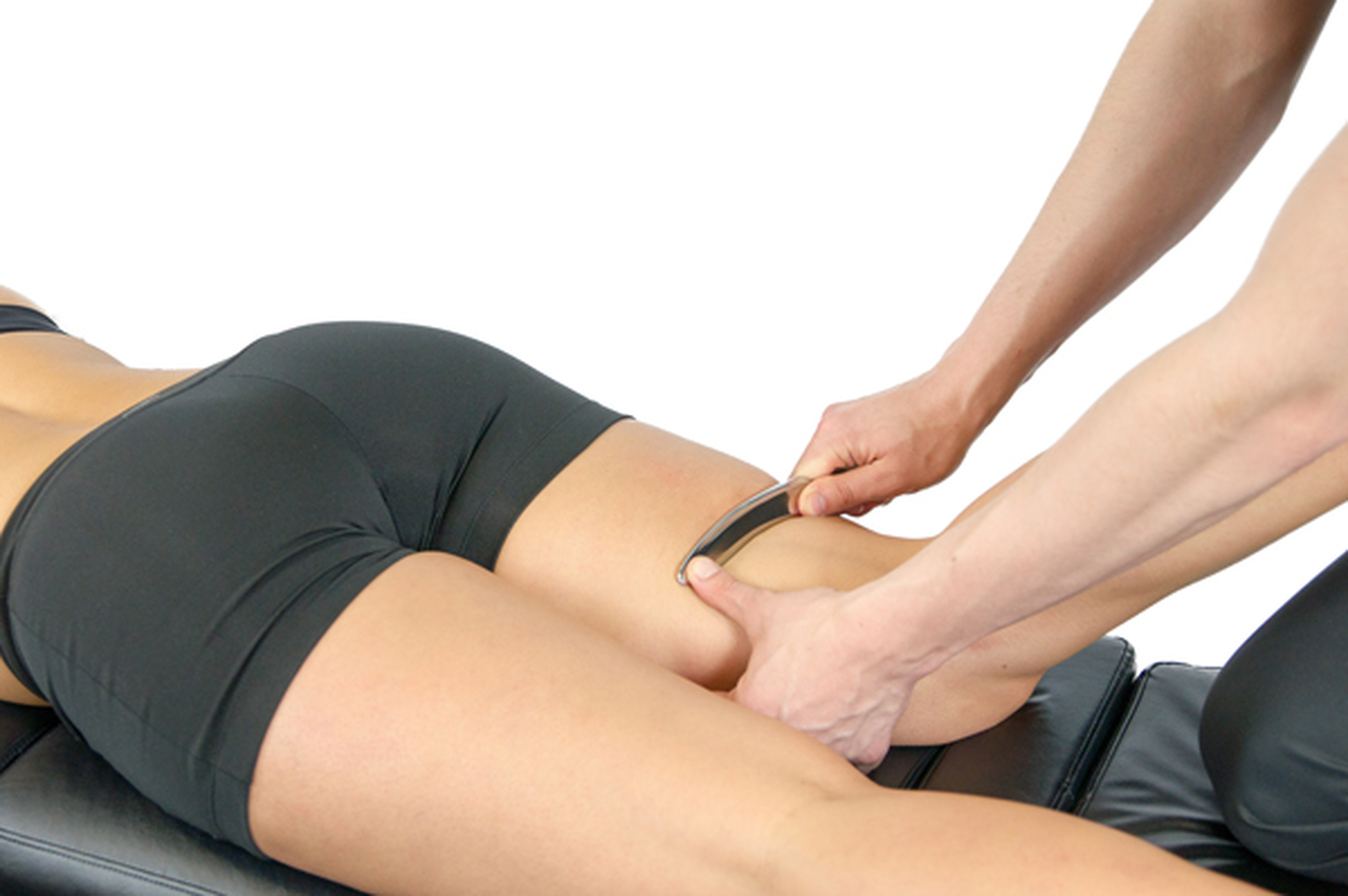
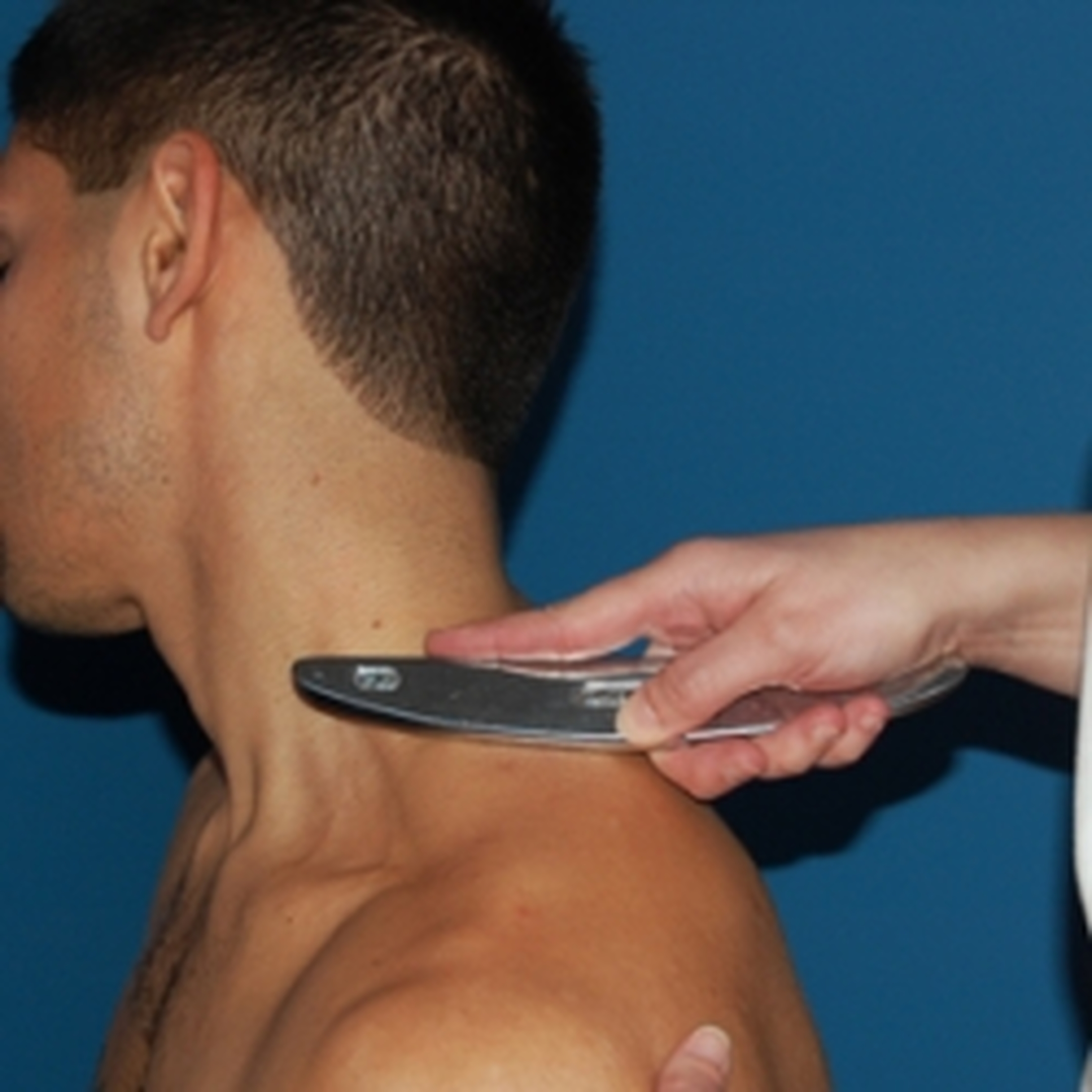
Instrument-Assisted Soft Tissue Mobilization (IASTM) is an evidence-informed manual therapy technique used in physiotherapy to assess and treat soft tissue dysfunction. It involves the use of specially designed instruments that enable physiotherapists to apply controlled mechanical loading to muscles, tendons, ligaments, and fascia. This allows for more precise identification and treatment of tissue restrictions compared to hands-on techniques alone.
Research suggests that IASTM may help improve pain, range of motion, and functional outcomes by increasing local blood flow, stimulating mechanoreceptors, and promoting tissue remodeling. The controlled stress applied to the tissues is thought to support the body’s natural healing processes, particularly in cases of chronic tendinopathy, muscle tightness, scar tissue, and movement limitations following injury or surgery.
In clinical practice, IASTM is most effective when integrated into a comprehensive physiotherapy program. Evidence supports combining soft tissue techniques with progressive exercise, load management, and movement retraining to achieve meaningful and lasting improvements. IASTM may help reduce symptoms and improve short-term mobility, allowing patients to move more comfortably and engage more effectively in rehabilitation exercises.
Treatment is tailored to each individual’s presentation, tolerance, and stage of recovery. Temporary redness or mild soreness following IASTM is a normal physiological response and typically resolves quickly. When applied appropriately by a trained physiotherapist, Instrument-Assisted Soft Tissue Mobilization can be a valuable adjunct to evidence-based physiotherapy care, supporting safe and effective return to daily activities and sport.
IASTM enables your physiotherapist to effectively break down scar tissue and fascial restrictions. The technique utilizes specially designed stainless steel instruments to specifically detect and effectively treat areas exhibiting soft tissue fibrosis or chronic inflammation.
Your physiotherapist will tailor IASTM treatment to your specific needs and comfort level. Mild redness or tenderness following treatment is normal and usually settles quickly. When used appropriately, Instrument-Assisted Soft Tissue Mobilization can be an effective part of a comprehensive physiotherapy program, helping you move more freely and return to activity with confidence.
Research suggests that IASTM may help improve pain, range of motion, and functional outcomes by increasing local blood flow, stimulating mechanoreceptors, and promoting tissue remodeling. The controlled stress applied to the tissues is thought to support the body’s natural healing processes, particularly in cases of chronic tendinopathy, muscle tightness, scar tissue, and movement limitations following injury or surgery.
In clinical practice, IASTM is most effective when integrated into a comprehensive physiotherapy program. Evidence supports combining soft tissue techniques with progressive exercise, load management, and movement retraining to achieve meaningful and lasting improvements. IASTM may help reduce symptoms and improve short-term mobility, allowing patients to move more comfortably and engage more effectively in rehabilitation exercises.
Treatment is tailored to each individual’s presentation, tolerance, and stage of recovery. Temporary redness or mild soreness following IASTM is a normal physiological response and typically resolves quickly. When applied appropriately by a trained physiotherapist, Instrument-Assisted Soft Tissue Mobilization can be a valuable adjunct to evidence-based physiotherapy care, supporting safe and effective return to daily activities and sport.
IASTM enables your physiotherapist to effectively break down scar tissue and fascial restrictions. The technique utilizes specially designed stainless steel instruments to specifically detect and effectively treat areas exhibiting soft tissue fibrosis or chronic inflammation.
- Separates and breaks down collagen cross-links, and splays and stretches connective tissue and muscle fibers
- Increases skin temperature and amount of blood flow to and from the area
- Facilitates reflex changes in the chronic muscle holding pattern
- Alters spinal reflex activity (facilitated segment)
- Increases cellular activity in the region, including fibroblasts and mast cells
- Increases histamine response secondary to mast cell activity
Your physiotherapist will tailor IASTM treatment to your specific needs and comfort level. Mild redness or tenderness following treatment is normal and usually settles quickly. When used appropriately, Instrument-Assisted Soft Tissue Mobilization can be an effective part of a comprehensive physiotherapy program, helping you move more freely and return to activity with confidence.